Hand - Osteoarthritis
Osteoarthritis (OA) is a very common condition that can affect any joint in the body.
This can be as a result of aging, previous injuries or even genetic factors. Osteoarthritis of the hands usually occurs as part of the condition nodal osteoarthritis. This mainly affects women and often starts around the time of the menopause. It usually affects the base of your thumb and the joints at the ends of your fingers, although other finger joints can also be affected.
Hand OA can result in pain and stiffness. In more severe cases, it can disturb your sleep and cause problems with simple functional tasks such as opening doors, doing zips or buttons, using cutlery or writing. You may develop bony nodules in the affected joints.
You may experience occasional flares of pain in addition to your normal day to day symptoms. These can be triggered by increased work through the wrist, or even with no obvious trigger. These “flare ups” usually settle with time but can last for several months.
Diagnosis can usually be made through clinical examination by a healthcare professional. There is no blood test for OA, although there are for other types of arthritis. X-rays aren’t usually helpful in the diagnosis of OA however sometimes they are useful to assess the extent of joint damage, to help guide onward management.
Advice:
- Relax your grip, and avoid using a tight grip.
- Change or modify activities or use aids to support function
- Apply heat or cold packs to affected joints may help ease pain and swelling.
- Wearing gloves can help keep the hands warm and joints supported in colder/damp months.
- Over-the-counter pain medication can help manage pain and allow better movement.
Physiotherapy:
Many people worry that exercising will increase their pain and may cause further joint damage. However, while resting painful joints may make them feel more comfortable at first, too much rest can increase stiffness.
There is evidence to suggest that regularly exercising the hands alleviates the stiffness and pain associated with osteoarthritis and can improve function. This is where physiotherapy can be beneficial. By improving the range of movement and strength in the wrist, the condition can generally be well managed long term.
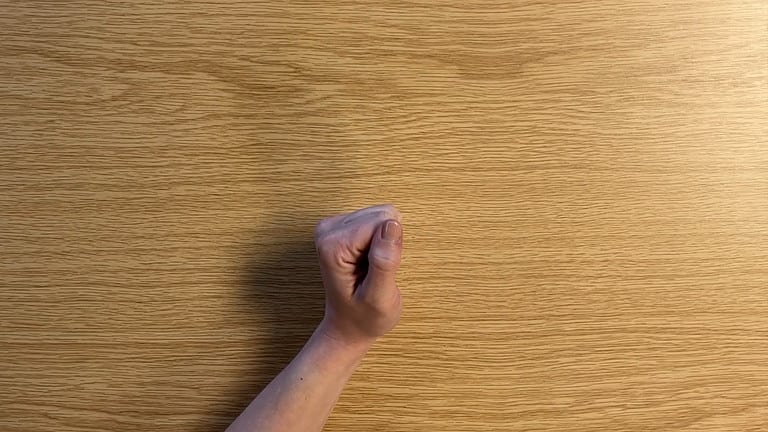
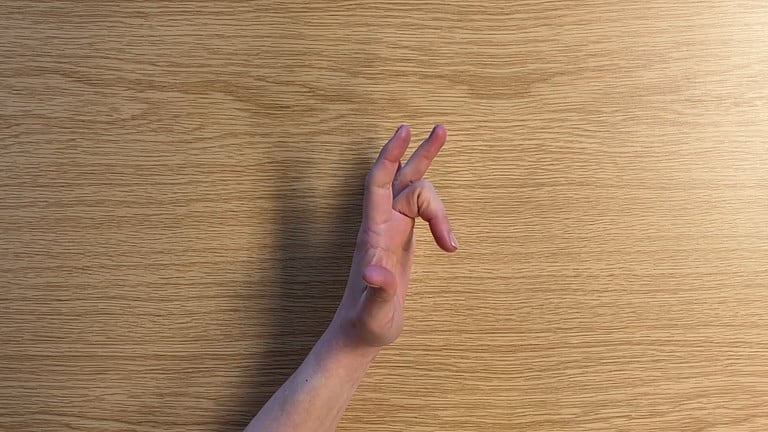
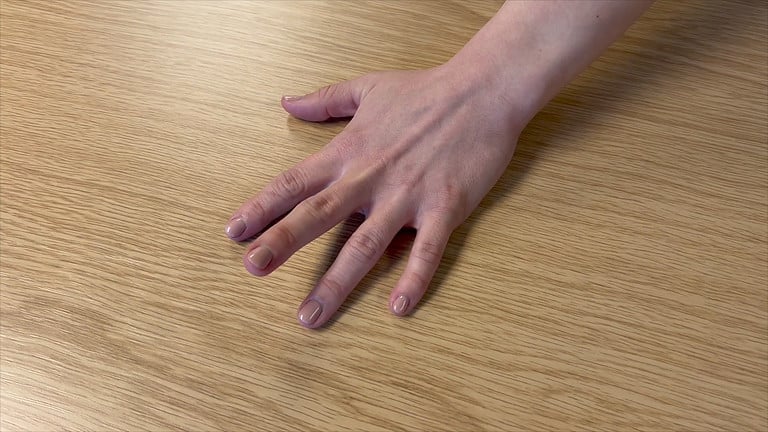
See Wrist Movement and Strength Exercises at the bottom of this page
Joint protection techniques:
Consider using gadgets or tools to make difficult or painful tasks easier, for example open jars or chopping food.
If the OA affects the thumb, using a thumb splint can help reduce pain and support the joint making day to day tasks easier. However prolonged use of splints should be avoided as can cause increased stiffness in the joint, as well as causing weakness in the muscles around it.
Injections:
Steroid injections can be used to reduce any inflammation and pain in and around the affected joint and can provide short term benefit for pain and function. However injections also have associated risks including risk of infection and potential problems to the skin and joints with repeated use.
Surgery:
Most people with osteoarthritis won’t need surgery, and it’s usually only considered once you’ve tried all other suitable treatments. Surgery can provide pain relief; however functionally people may be more limited after procedures have been done.